

Zinc whiskers – risks and materials selection in data centres
Zinc whiskers are microscopic, hair-like structures of zinc that can grow from surfaces that are electroplated. After several years of accumulation, Zinc whiskers can in some cases be dispersed into the air. In environments with sensitive electronics, such as data centres and server rooms, this can lead to short circuits and operational disruptions in IT equipment.
The phenomenon was first noted in data centres, where raised floors are often used. Many supports and structures under the floor are electroplated, creating conditions for Zinc whiskers to occur and spread as particles.
Zinc plating methods and Zinc whiskers
Zinc is applied to steel surfaces to protect against corrosion. Whether Zinc whiskers can form largely depends on the galvanising method used.
The most common methods are:
Electro-galvanising.
Hot-dip galvanising.
The risk of Zinc whiskers mainly occurs in electro-galvanising. Since Zinc whiskers are electrically conductive, they can cause short circuits, unplanned downtime, and hard-to-diagnose intermittent faults, especially in telecom, control, and industrial environments with high IT density. To reduce the risk, hot-dip galvanised or pre-galvanised products should be chosen in sensitive environments.
Galvanised wire mesh trays in data centres
Wire mesh trays are a common and functional choice for cable management in data centres. The most common surface treatment for these is hot-dip galvanising according to SS-EN ISO 1461, which means that the wire mesh tray is dipped in a zinc bath after manufacturing.
This method does not cause Zinc whiskers. However, thicker zinc deposits (sometimes called “zinc beards”) can form at bends and edges, which in some cases can detach from the surface.
MP bolagens solution
MP bolagen uses hot-dip galvanized wire ladders made from pre-galvanised wire (Z4). The wire is hot-dip galvanized before the wire ladders are welded and bent, which minimises the risk of loose zinc particles and zinc whiskers.
The method also provides:
improved corrosion resistance
smoother surface finish
higher operational reliability over time.
For installations in data centres, wire ladders with surface treatment Z4 are therefore recommended, along with hot-dip galvanized accessories.
Suitable products
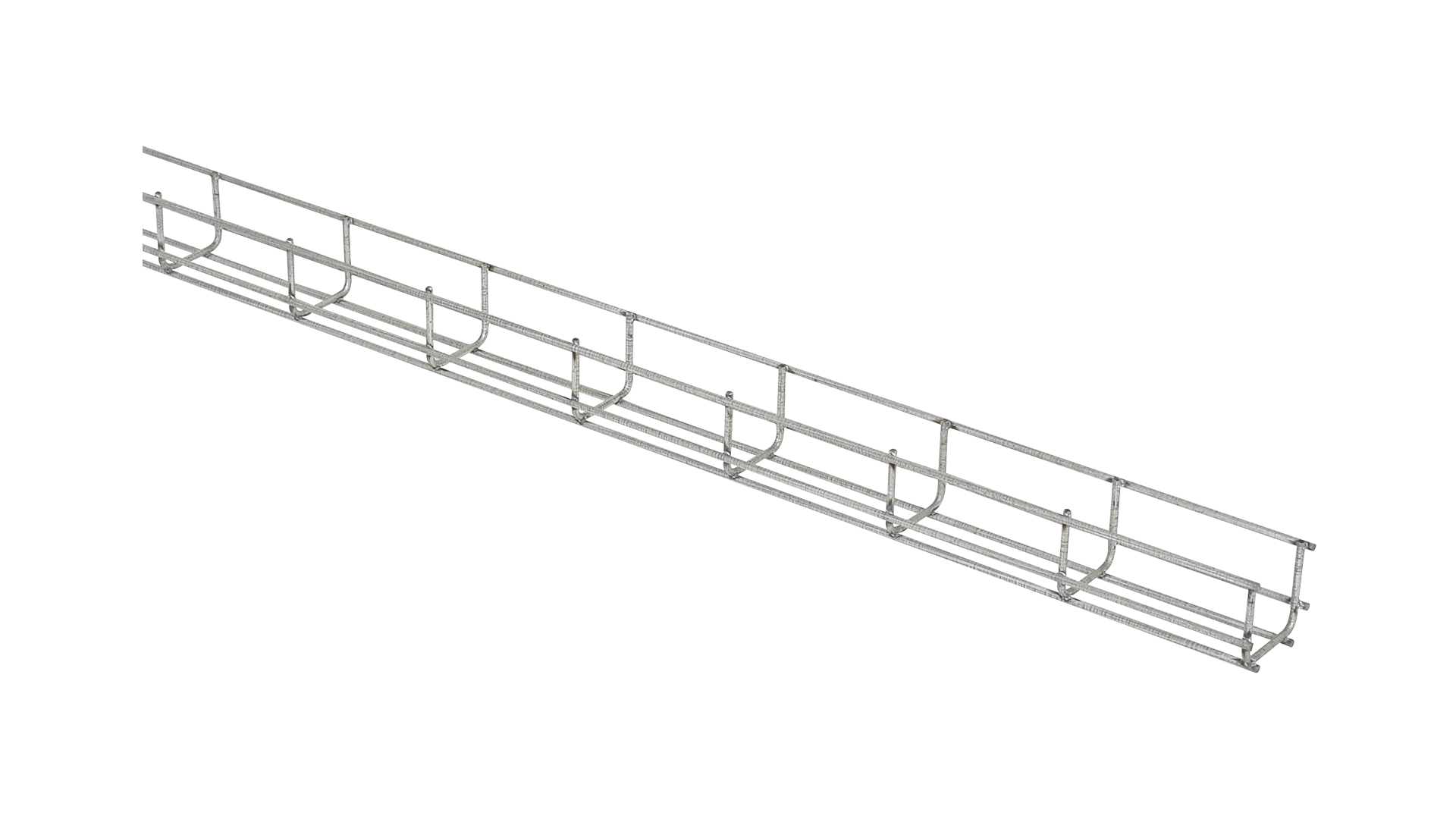
Wire ladder, 55 mm
E No:
MP-number: 719Z4

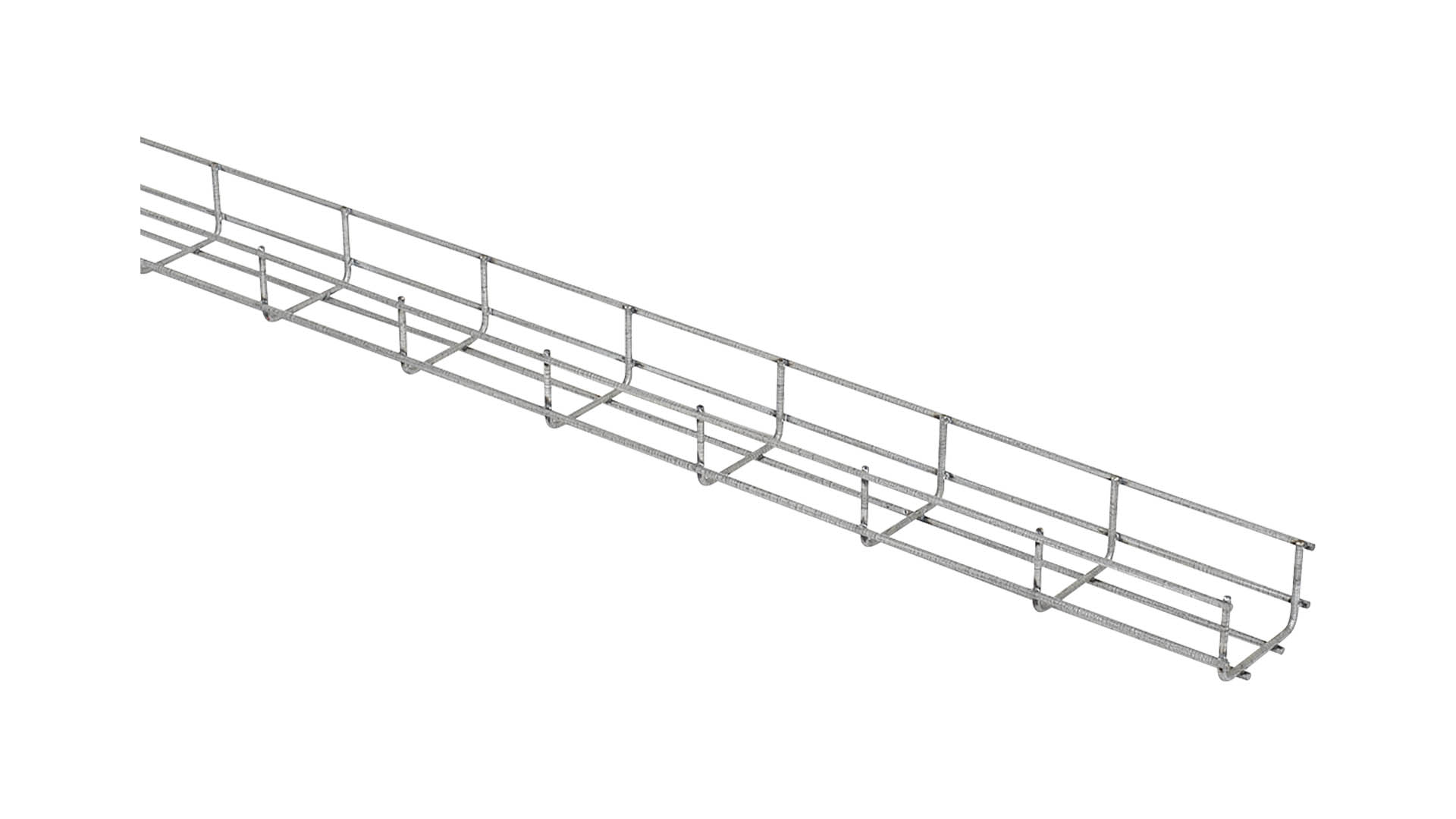
Wire ladder, 75 mm
E No:
MP-number: 720Z4
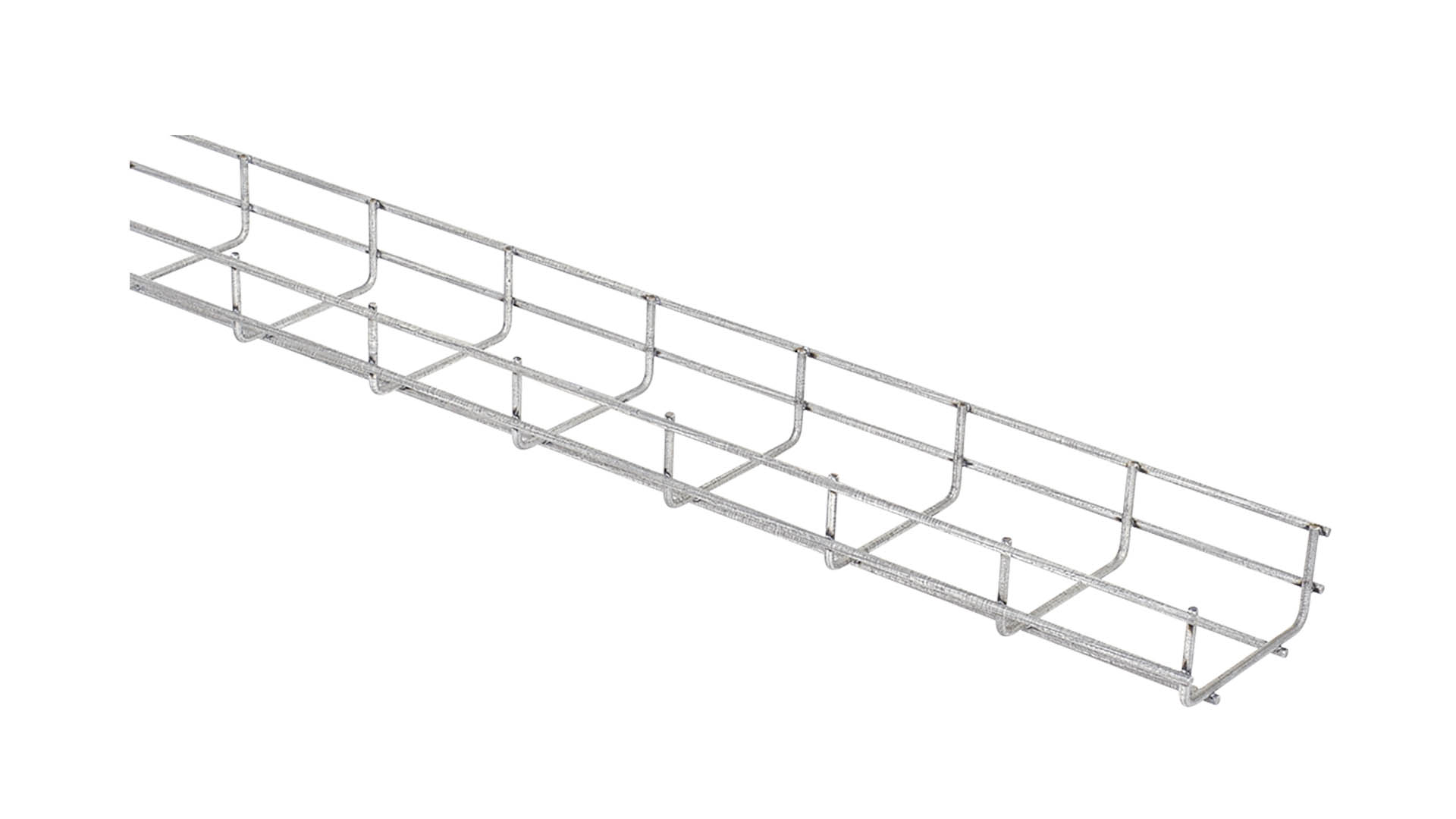
Wire ladder, 120 mm
E No:
MP-number: 722Z4
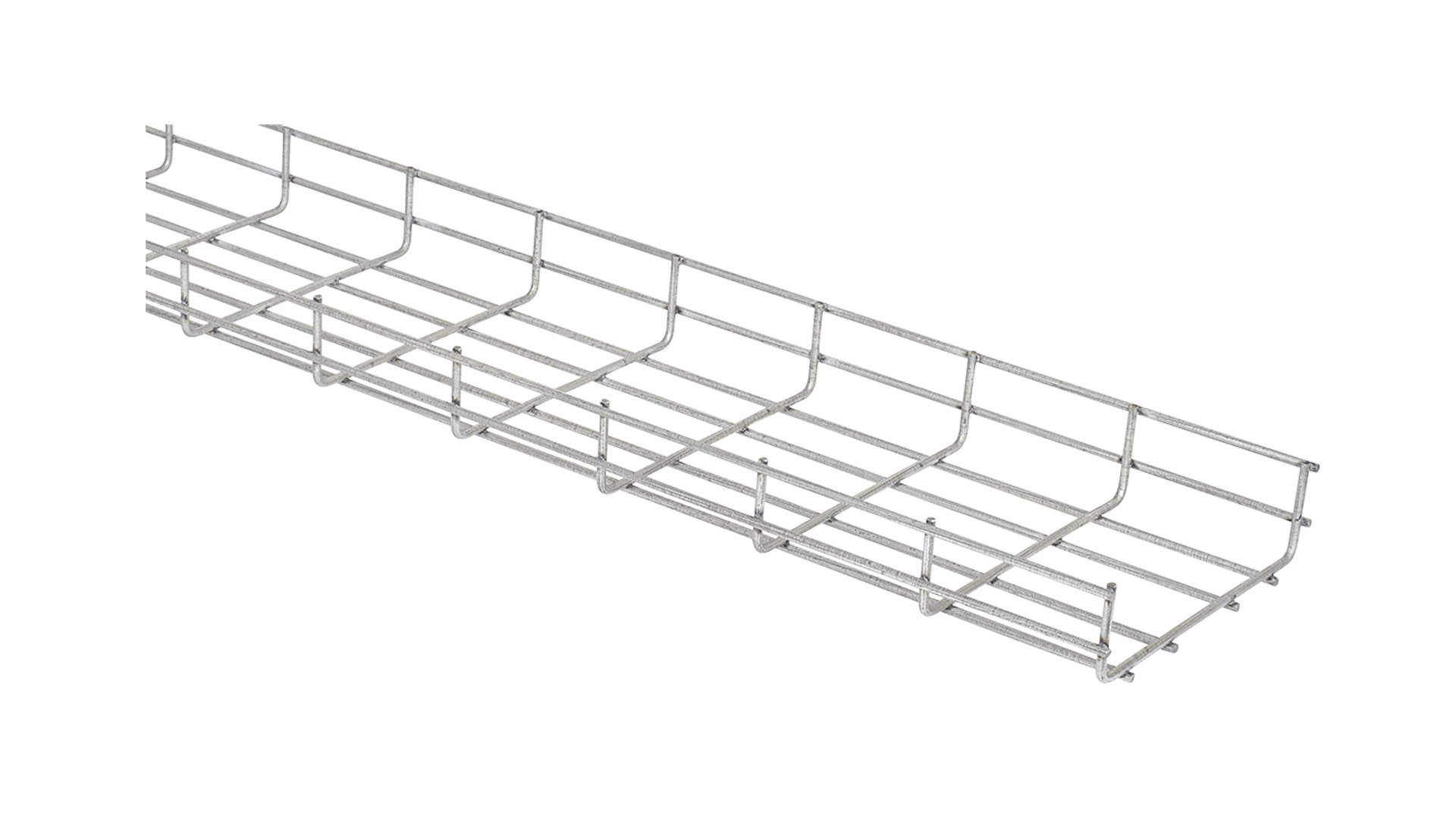
Wire ladder, 200 mm
E No:
MP-number: 723Z4
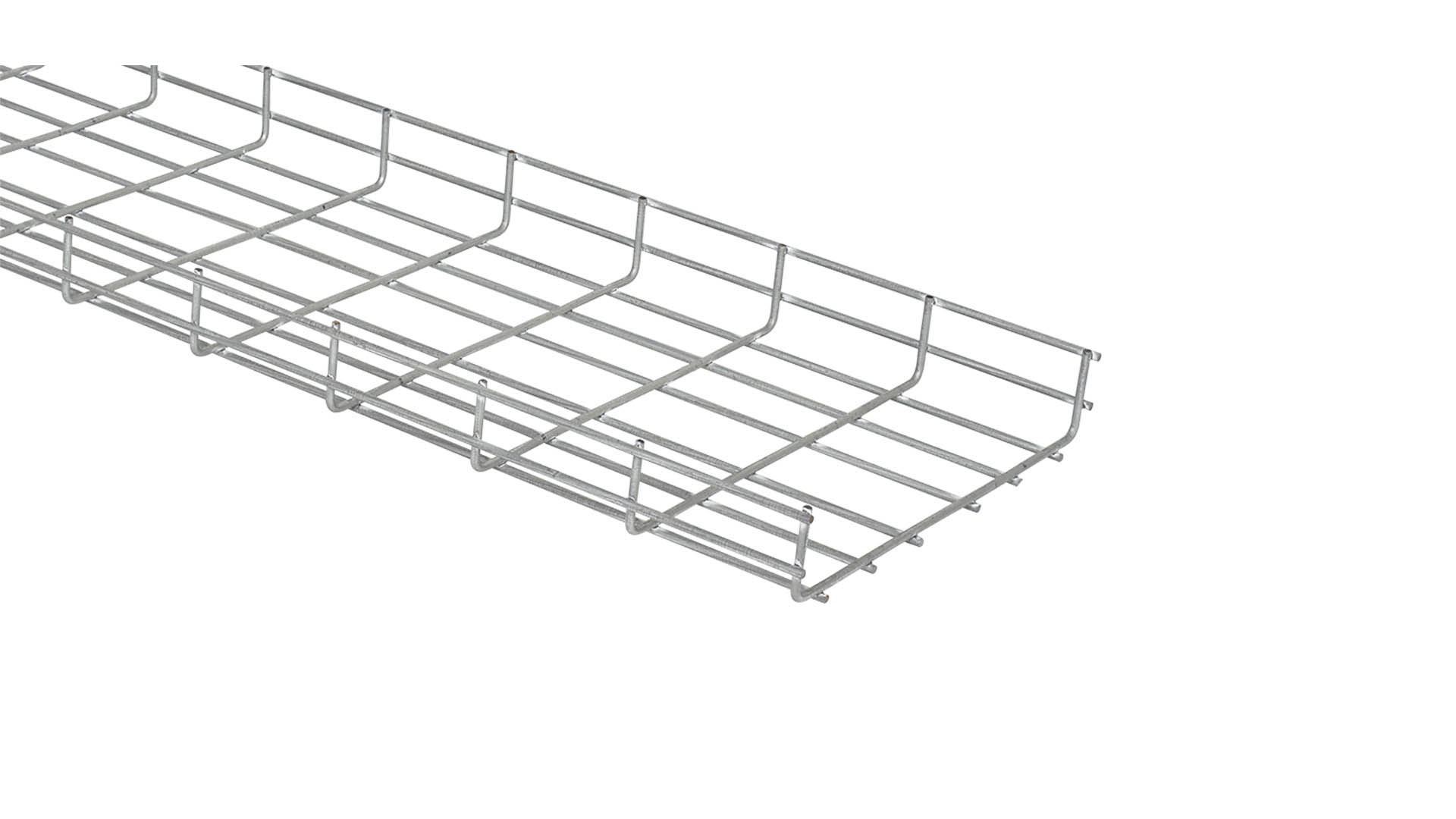
Wire ladder, 300 mm
E No:
MP-number: 724Z4
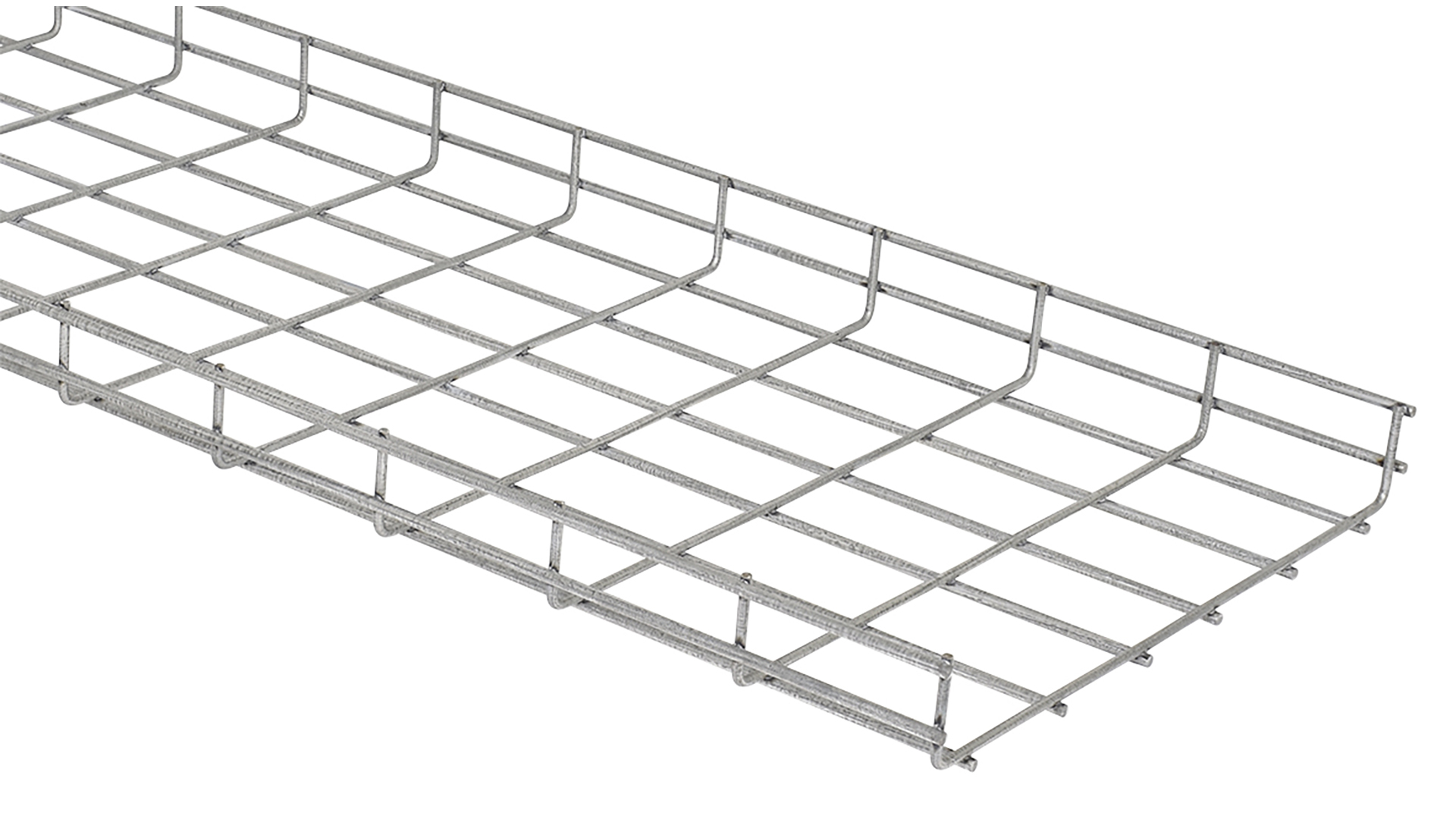
Wire ladder, 400 mm
E No:
MP-number: 725Z4
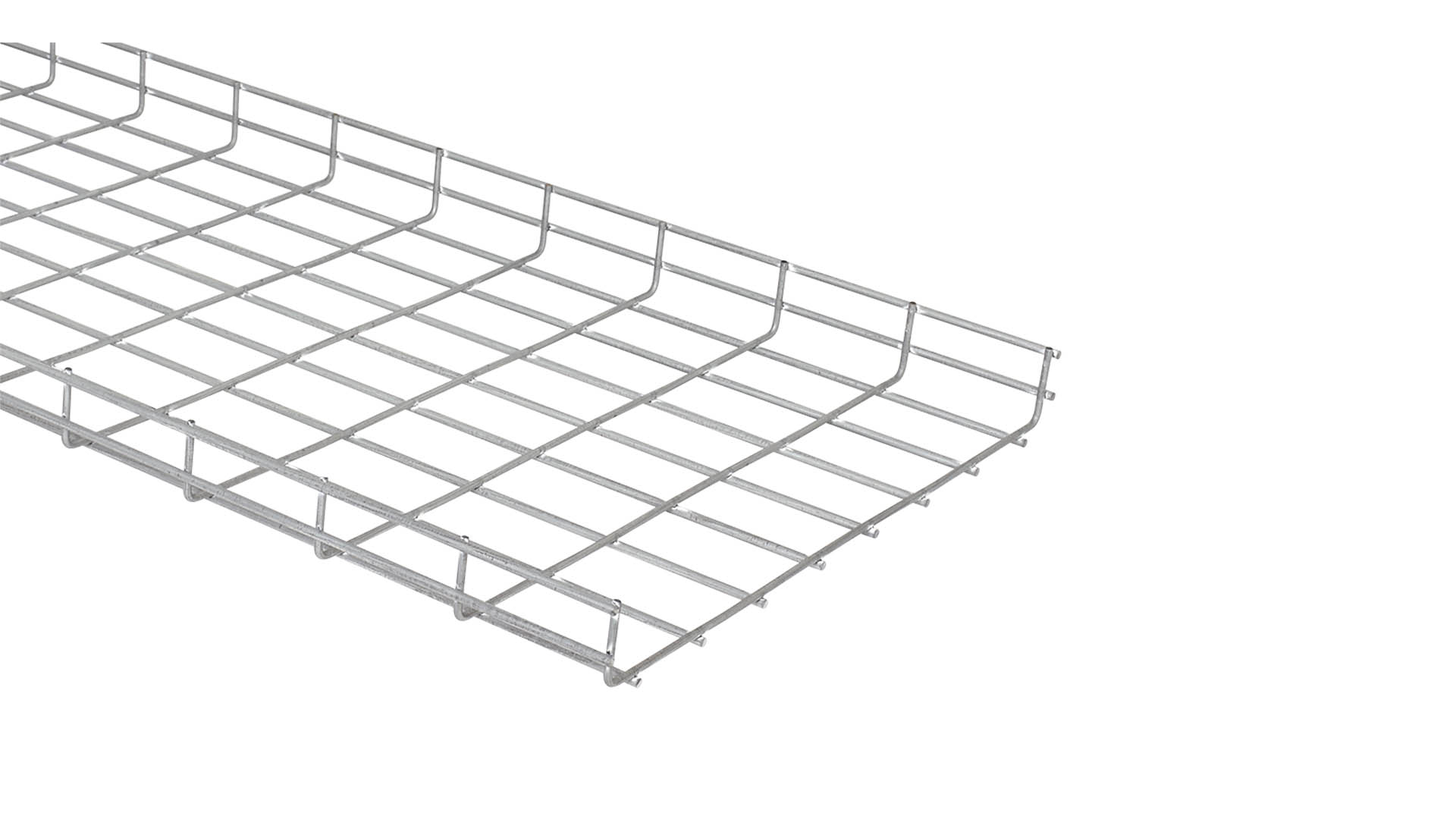
Wire ladder, 500 mm
E No:
MP-number: 726Z4
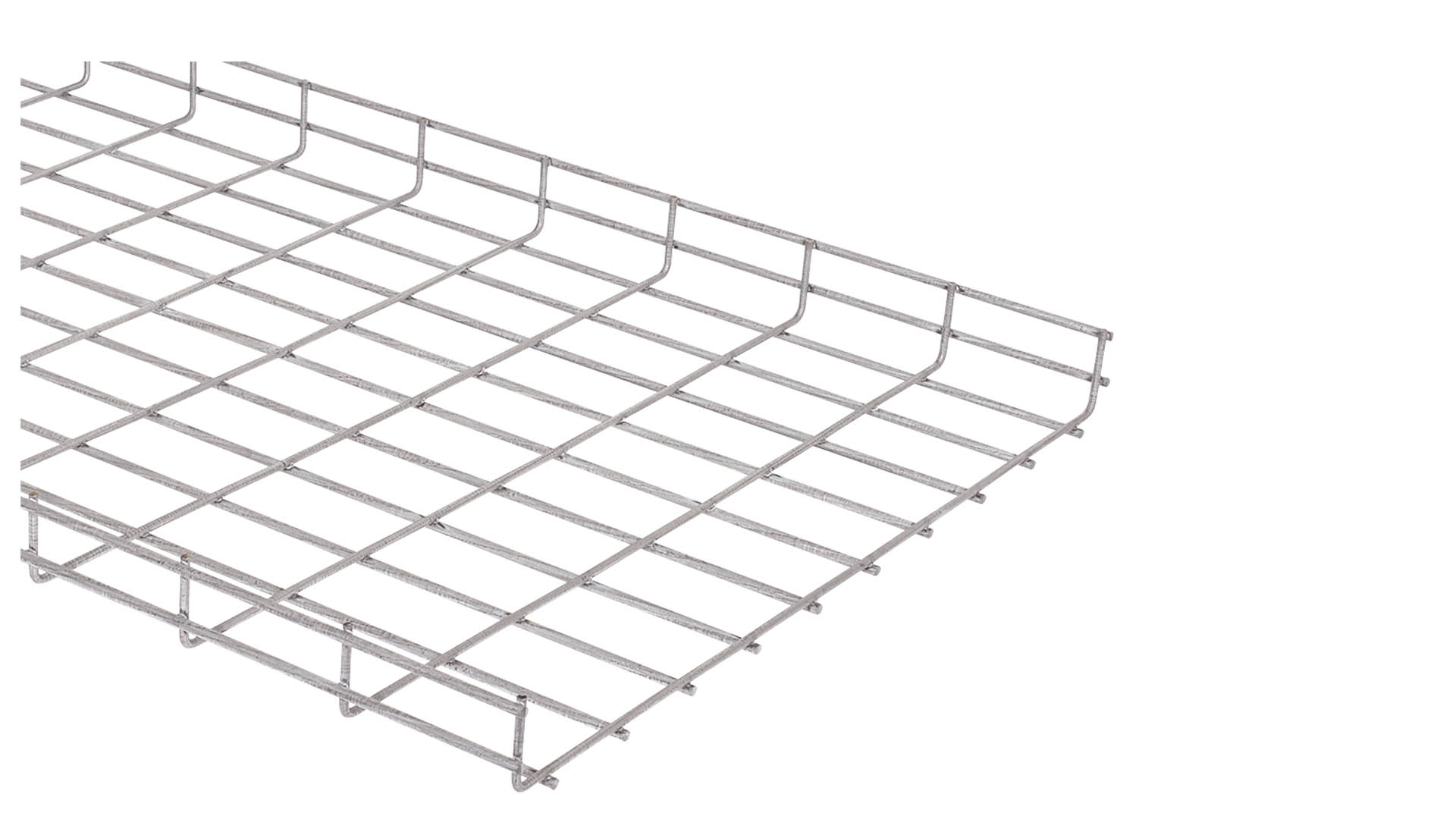
Wire ladder, 600 mm
E No:
MP-number: 727Z4
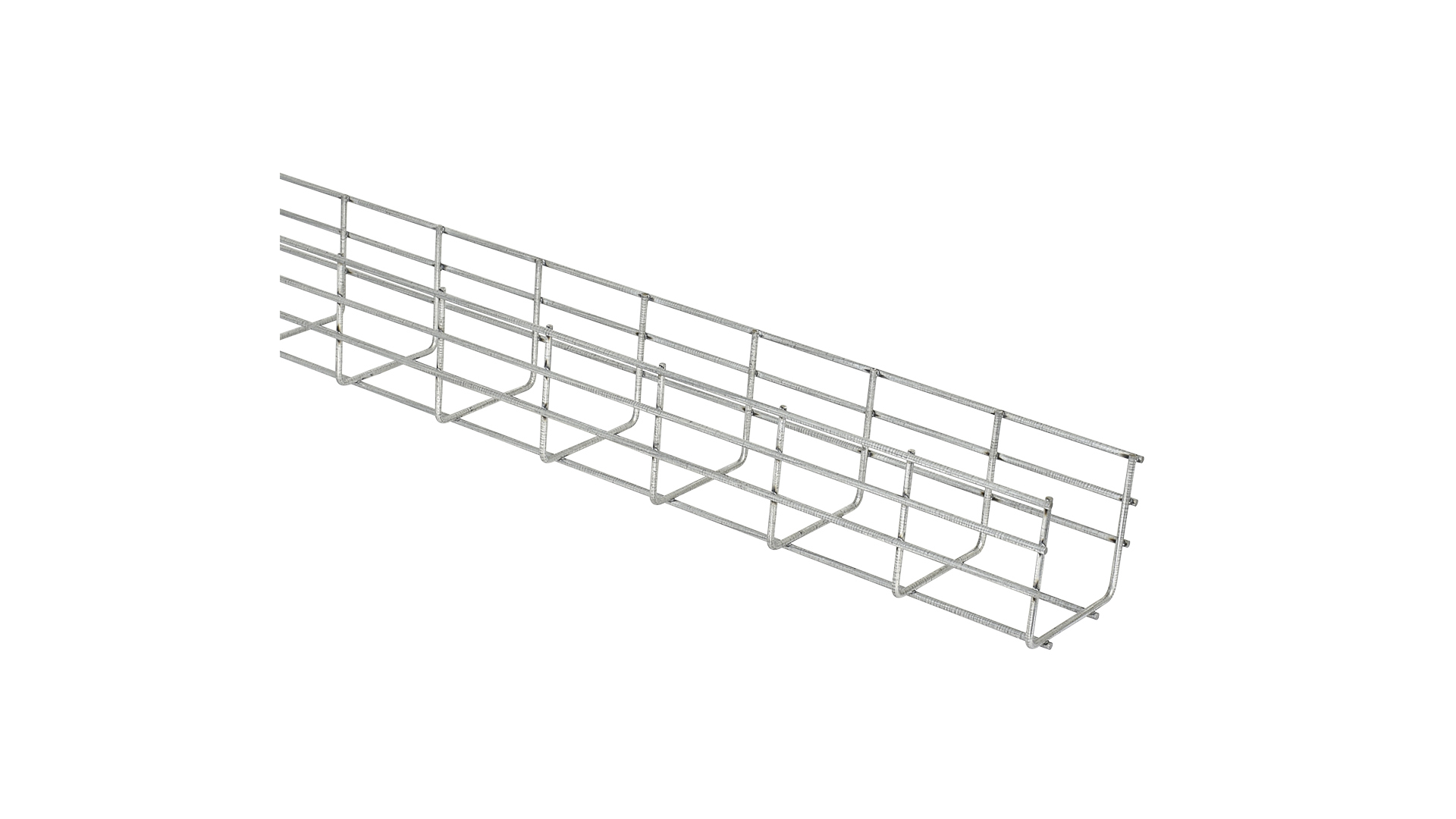
Wire ladder high, 120 mm
E No:
MP-number: 722HZ4
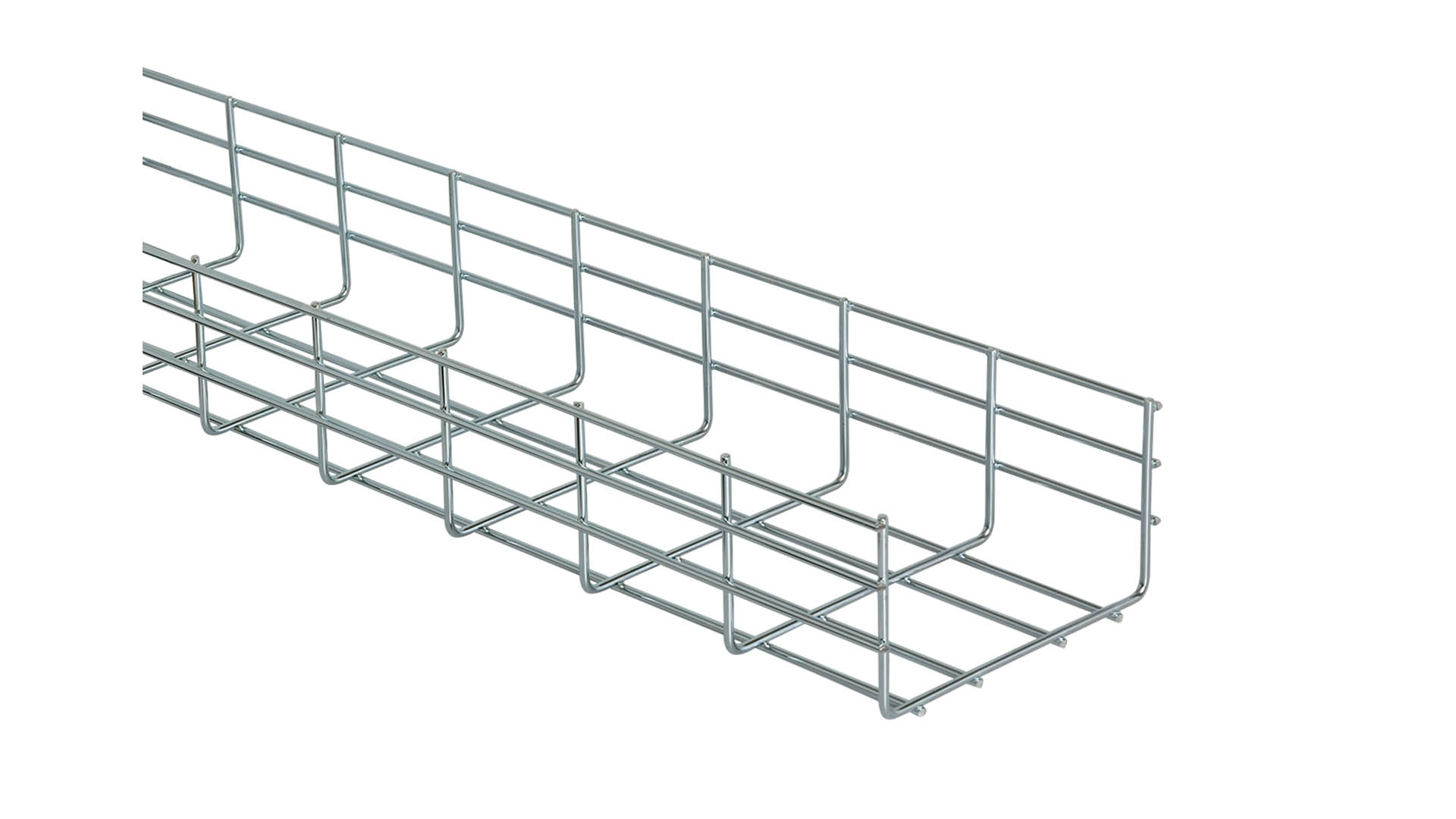
Wire ladder high, 200 mm
E No:
MP-number: 723HZ4
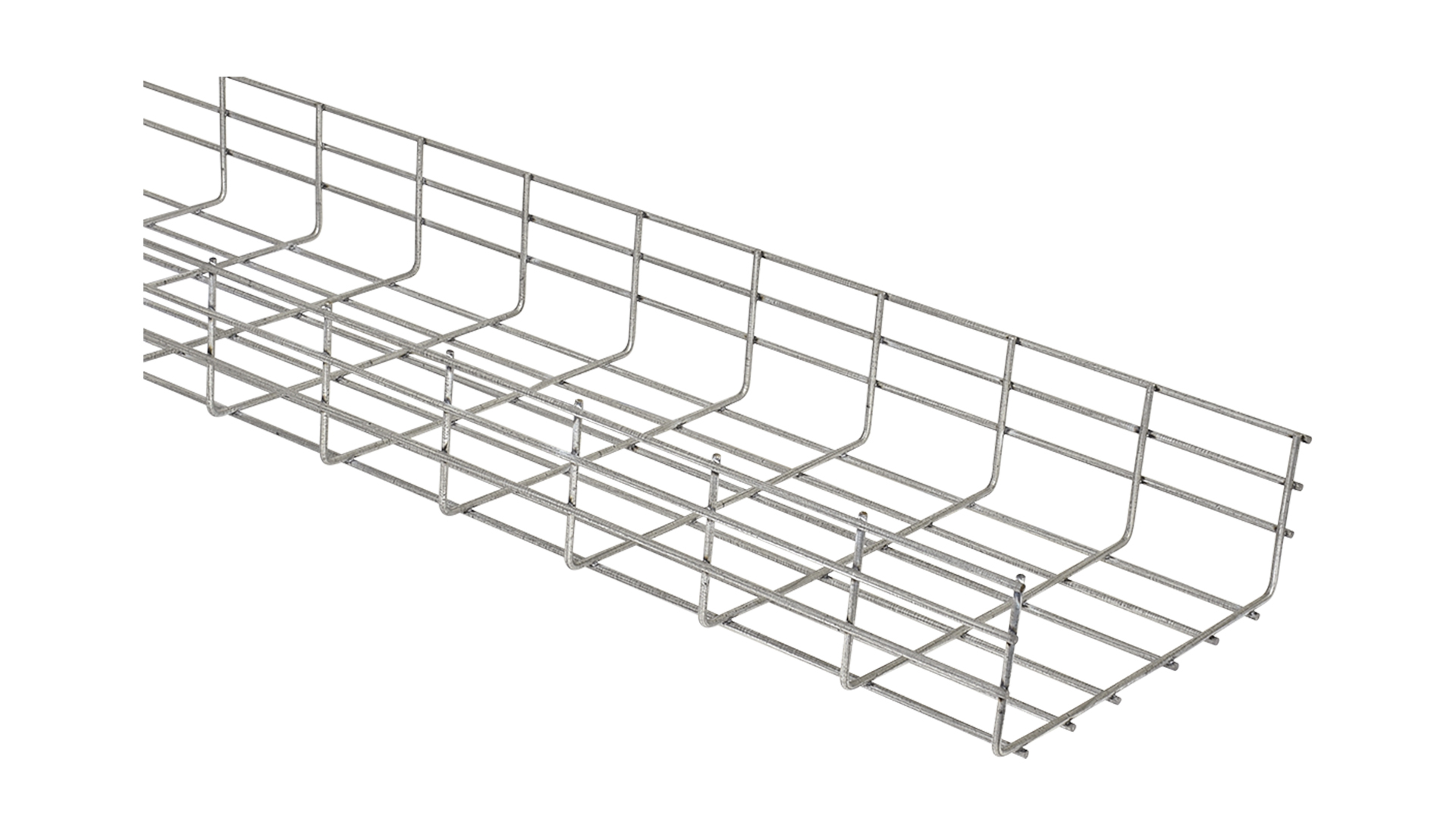
Wire ladder high, 300 mm
E No:
MP-number: 724HZ4
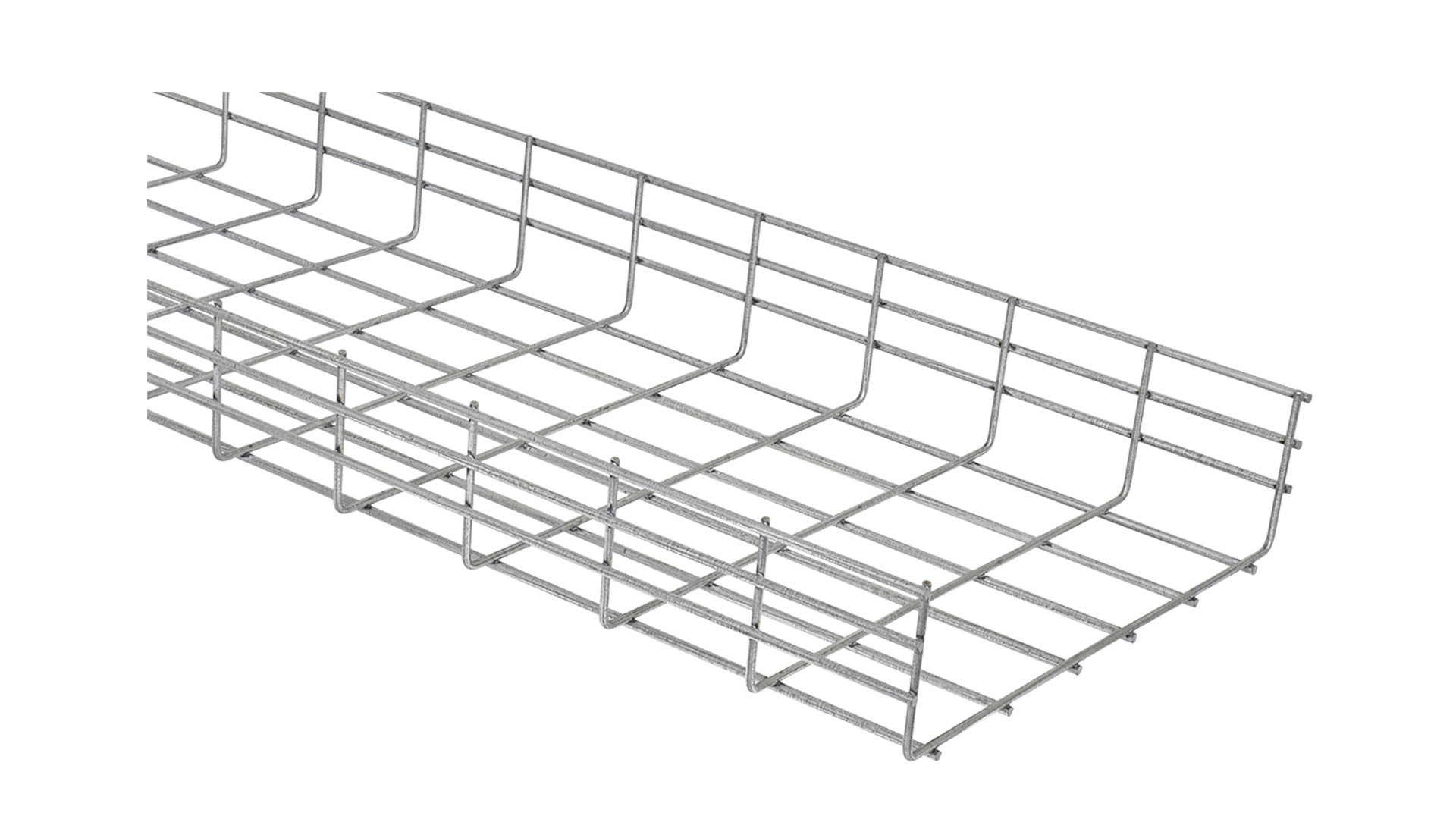
Wire ladder high, 400 mm
E No:
MP-number: 725HZ4
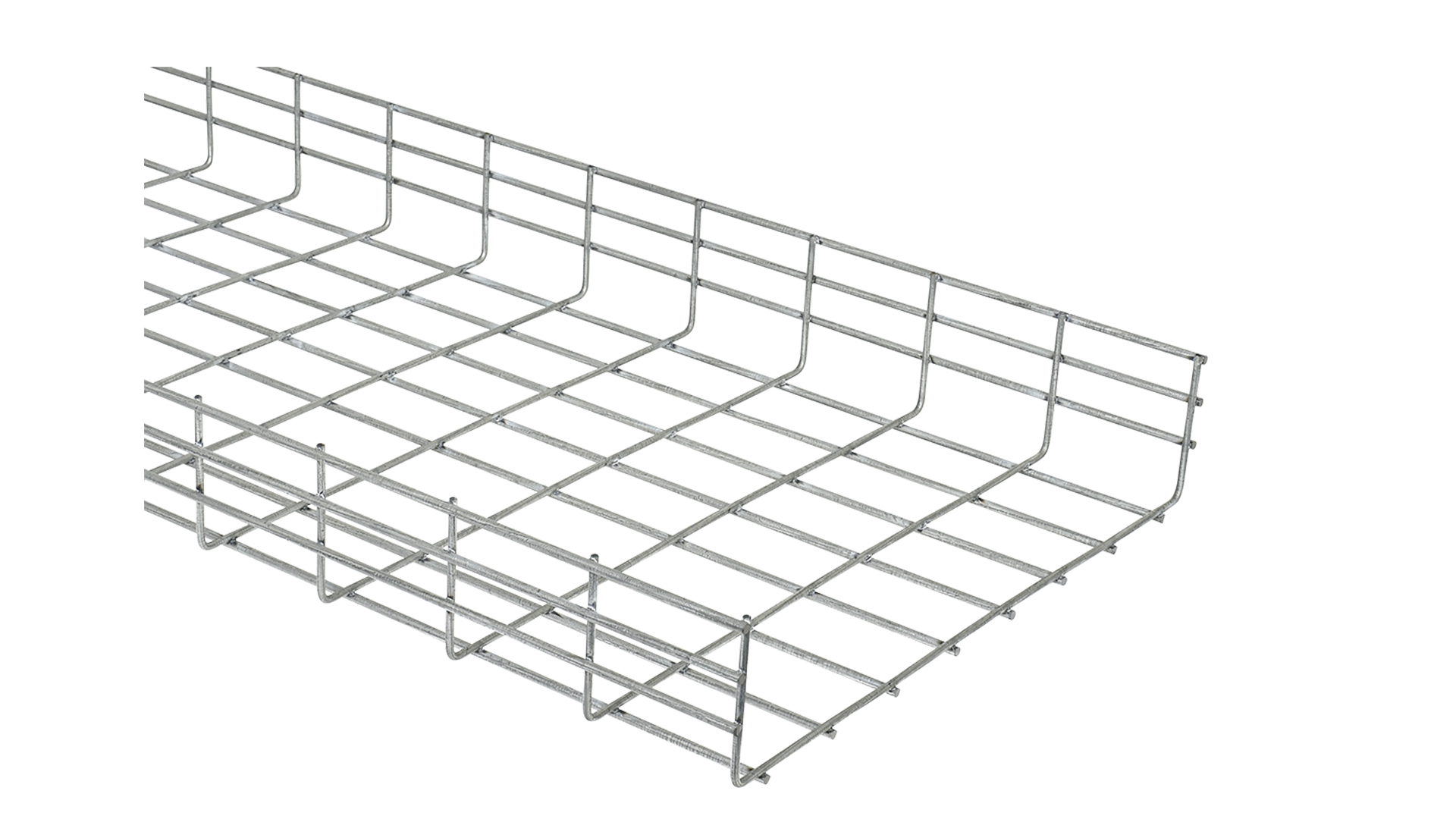
Wire ladder high, 500 mm
E No:
MP-number: 726HZ4
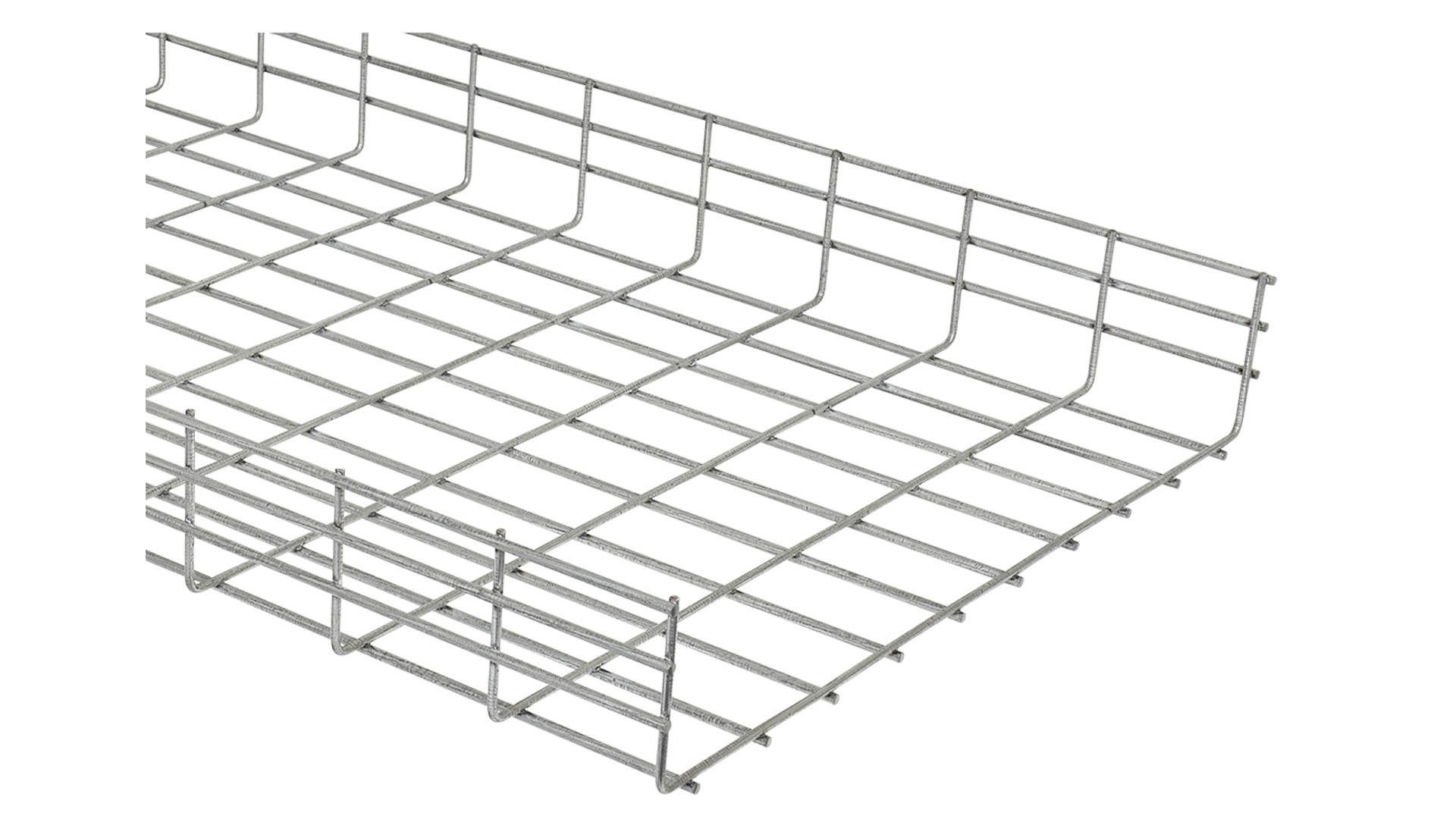
Wire ladder high, 600 mm
E No:
MP-number: 727HZ4
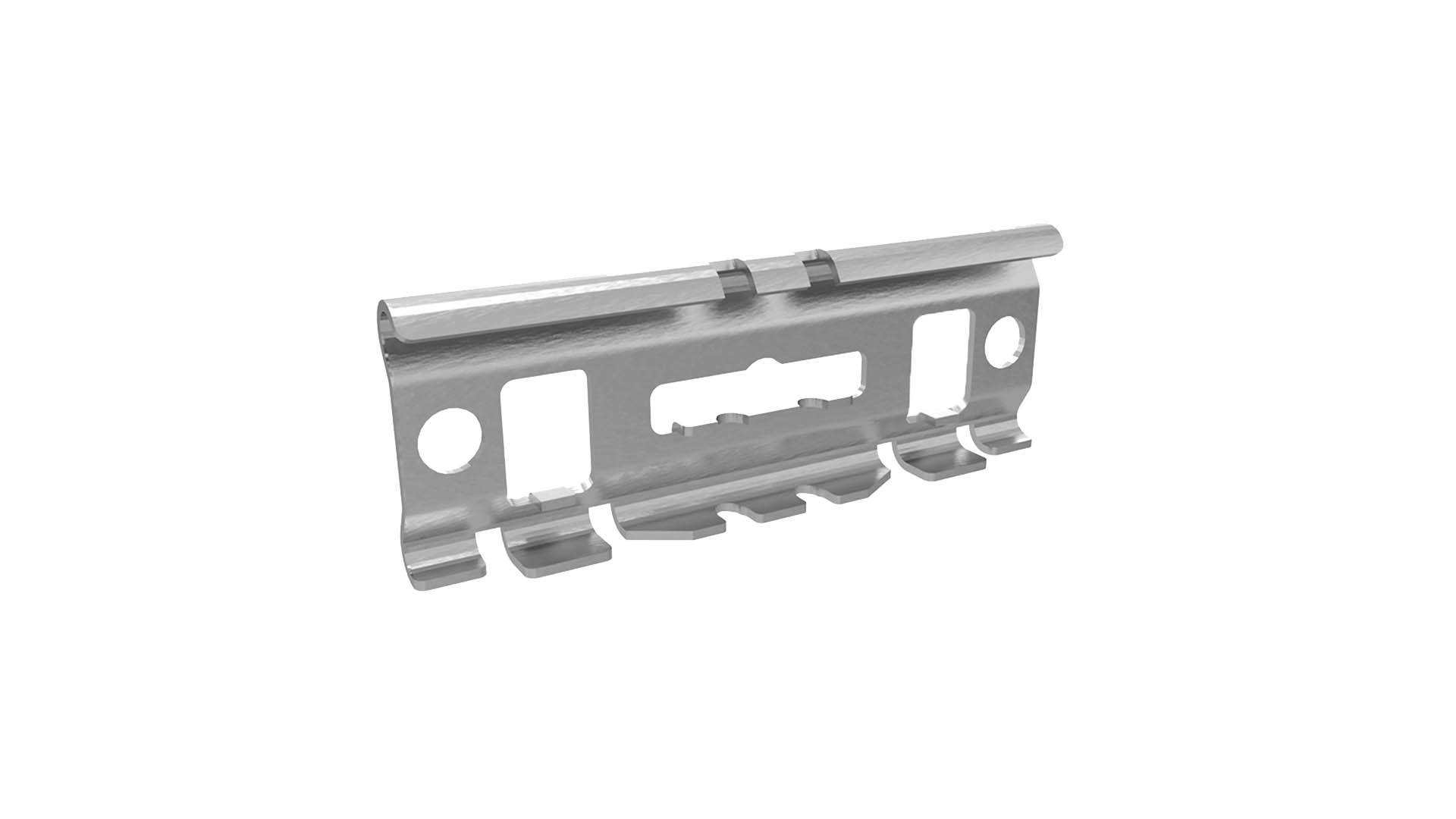
Splice for wire ladders
E No:
MP-number: 730Z4
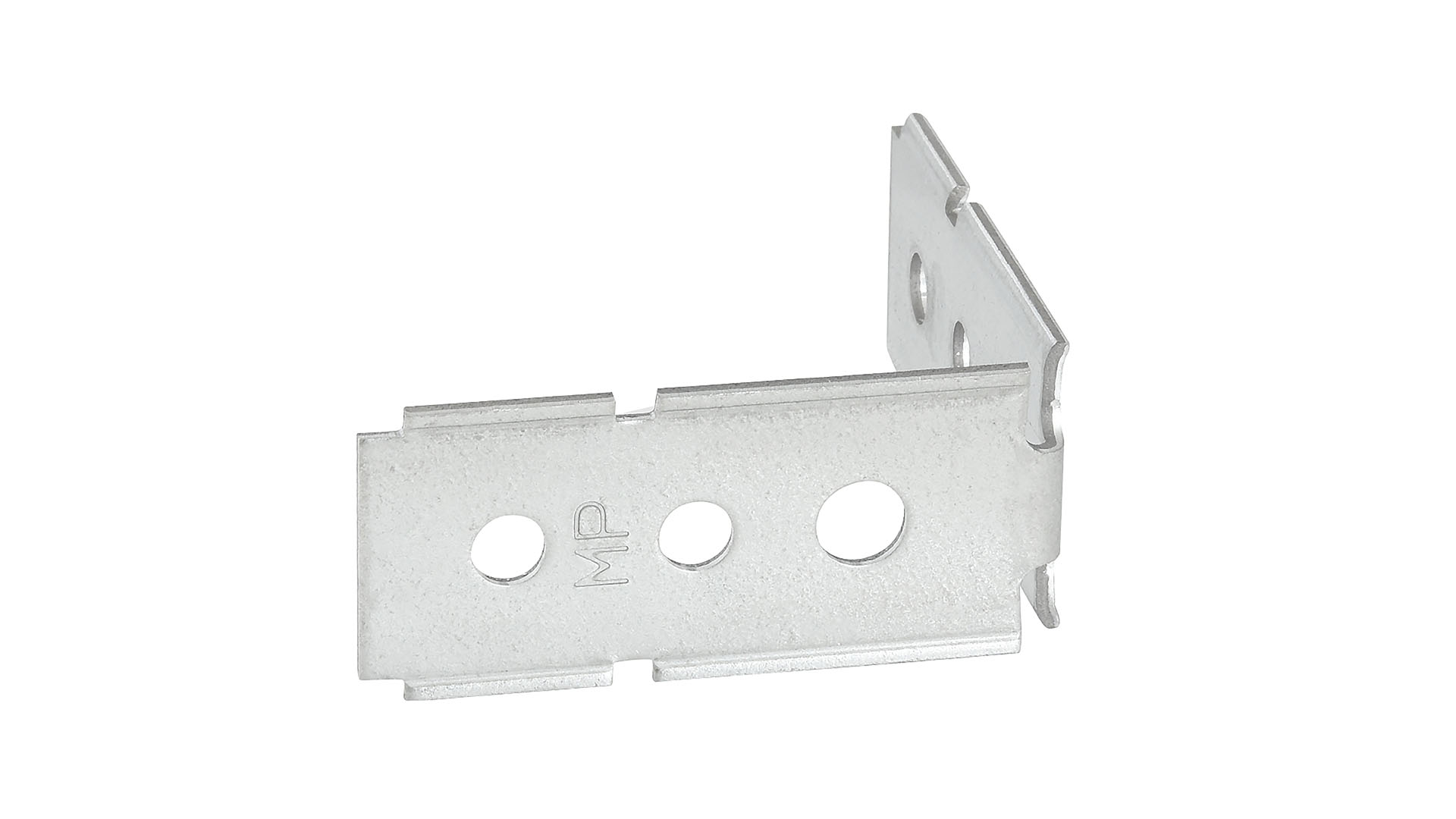
Angle bracket for wire mesh tray
E No:
MP-number: 737S
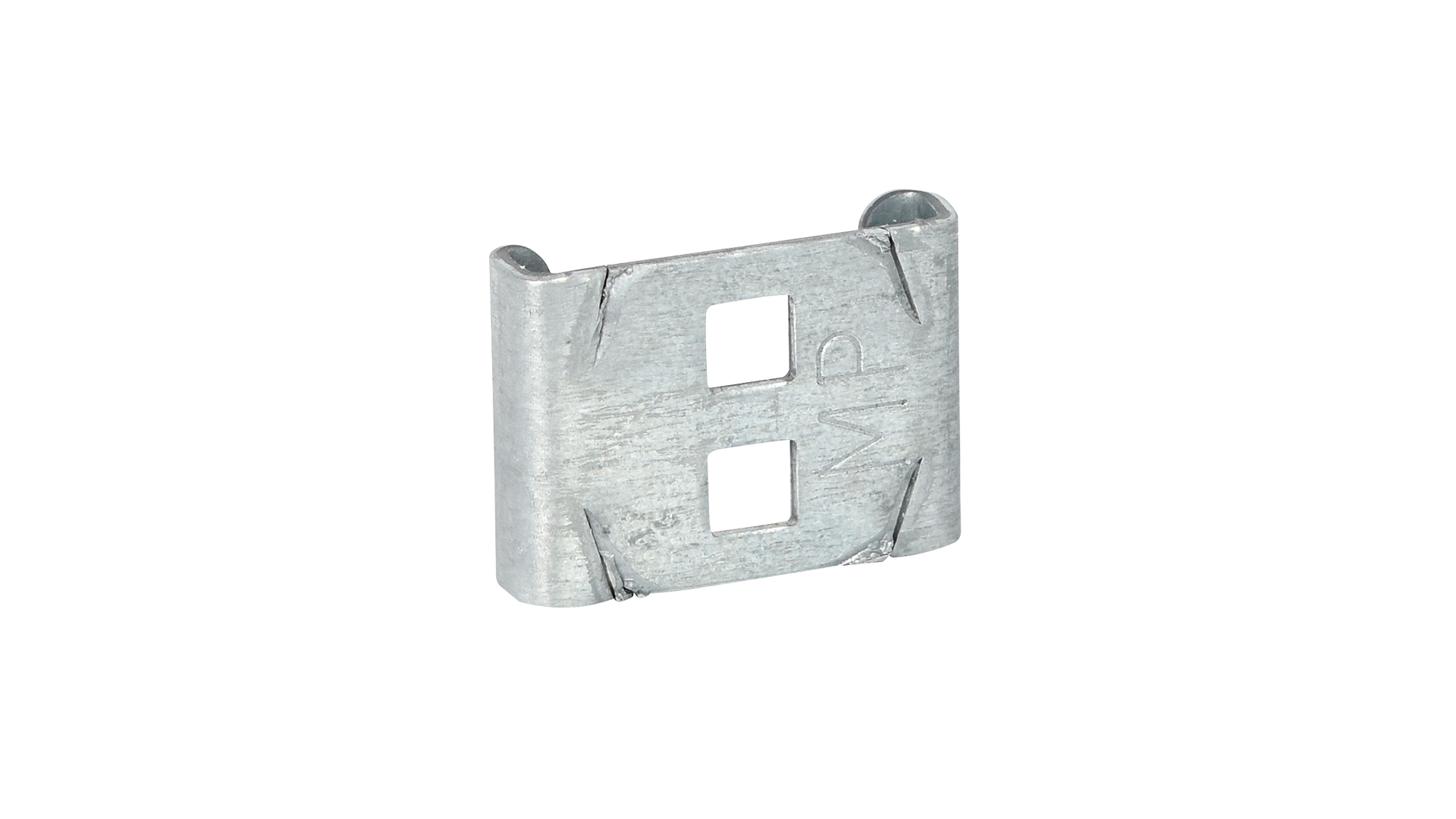
Corner joint for wire ladder
E No:
MP-number: 732S
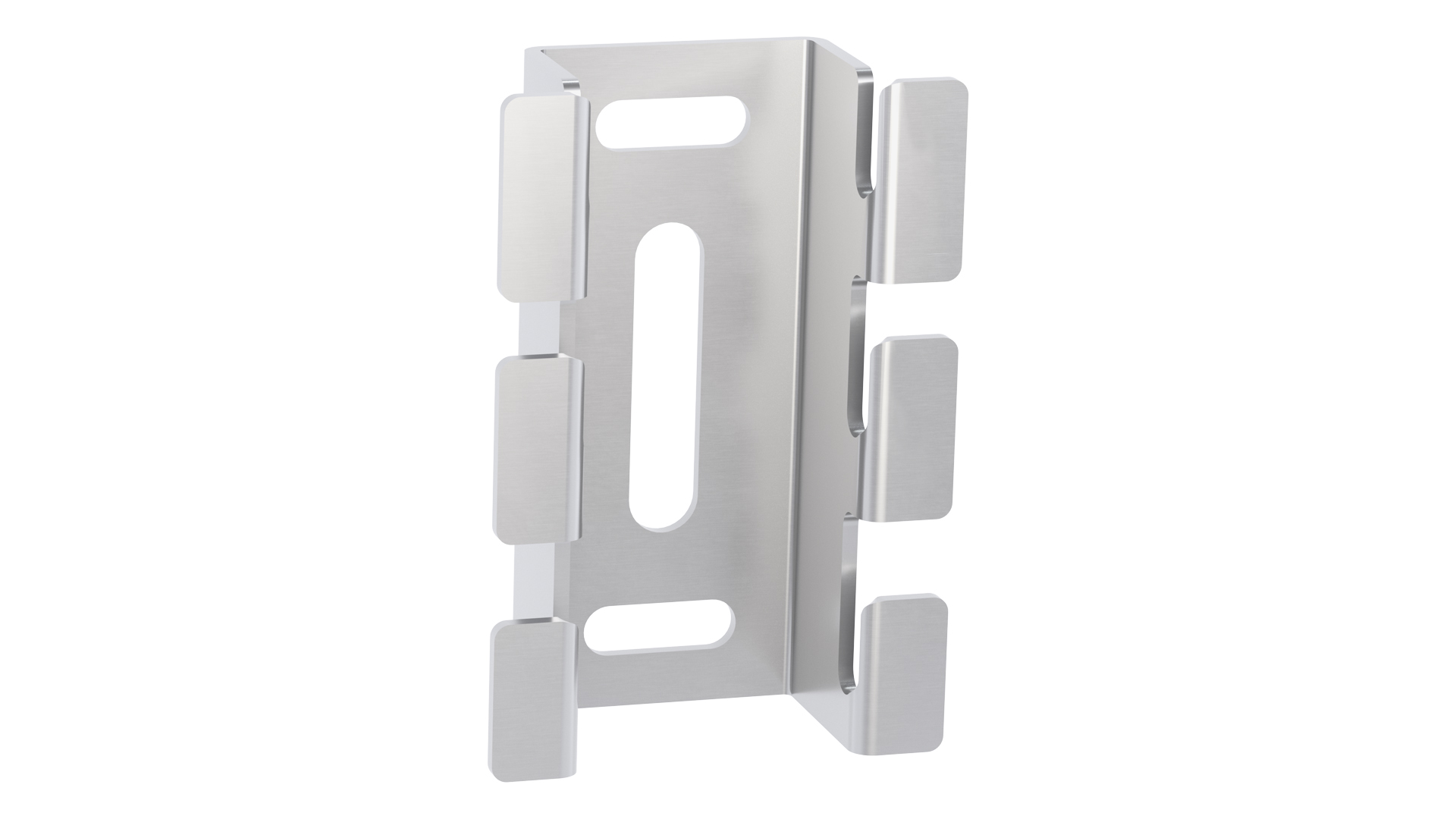
Wall bracket for wire mesh tray
E No:
MP-number: 735S
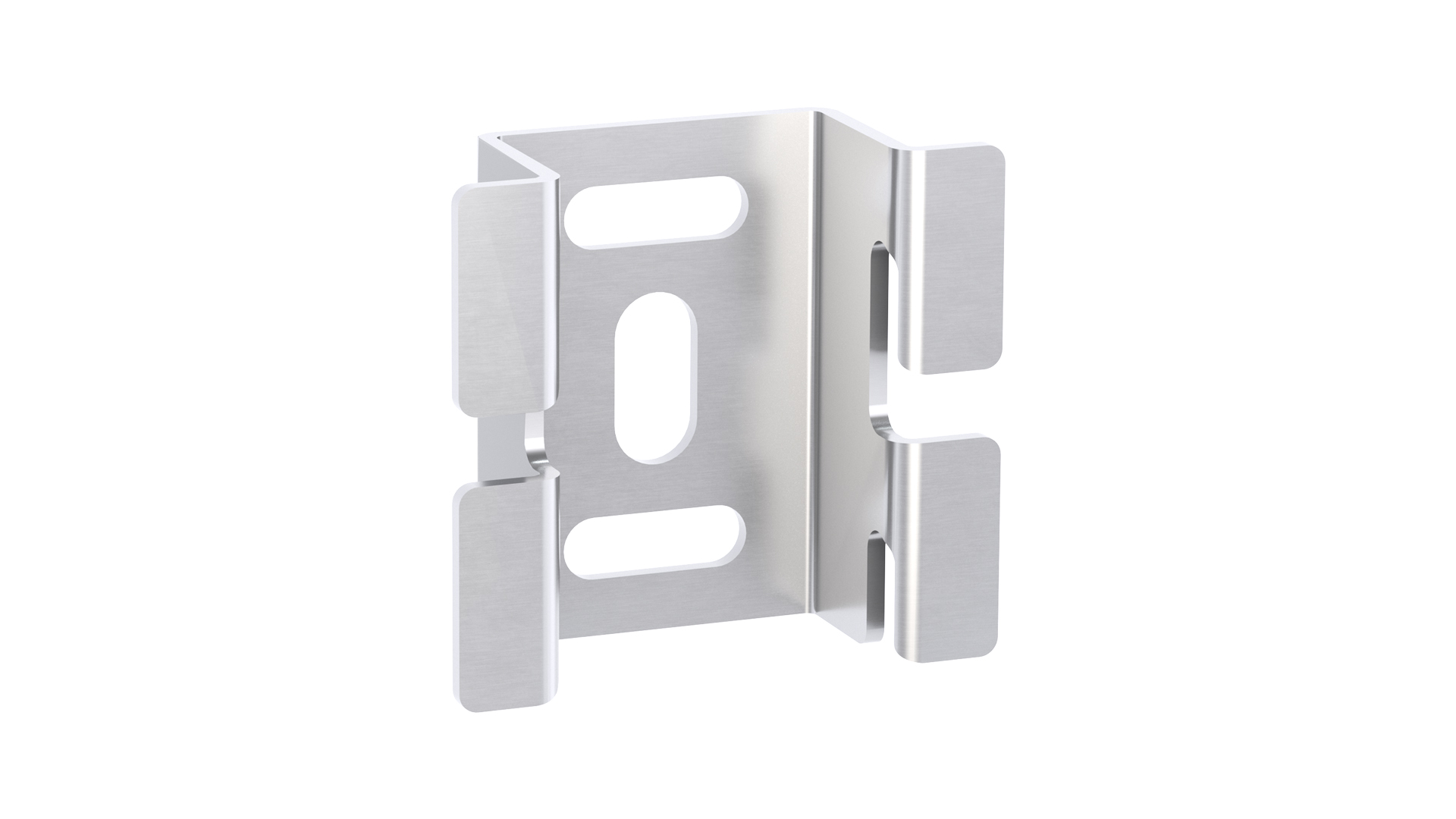
Wall bracket mini
E No:
MP-number: 734S
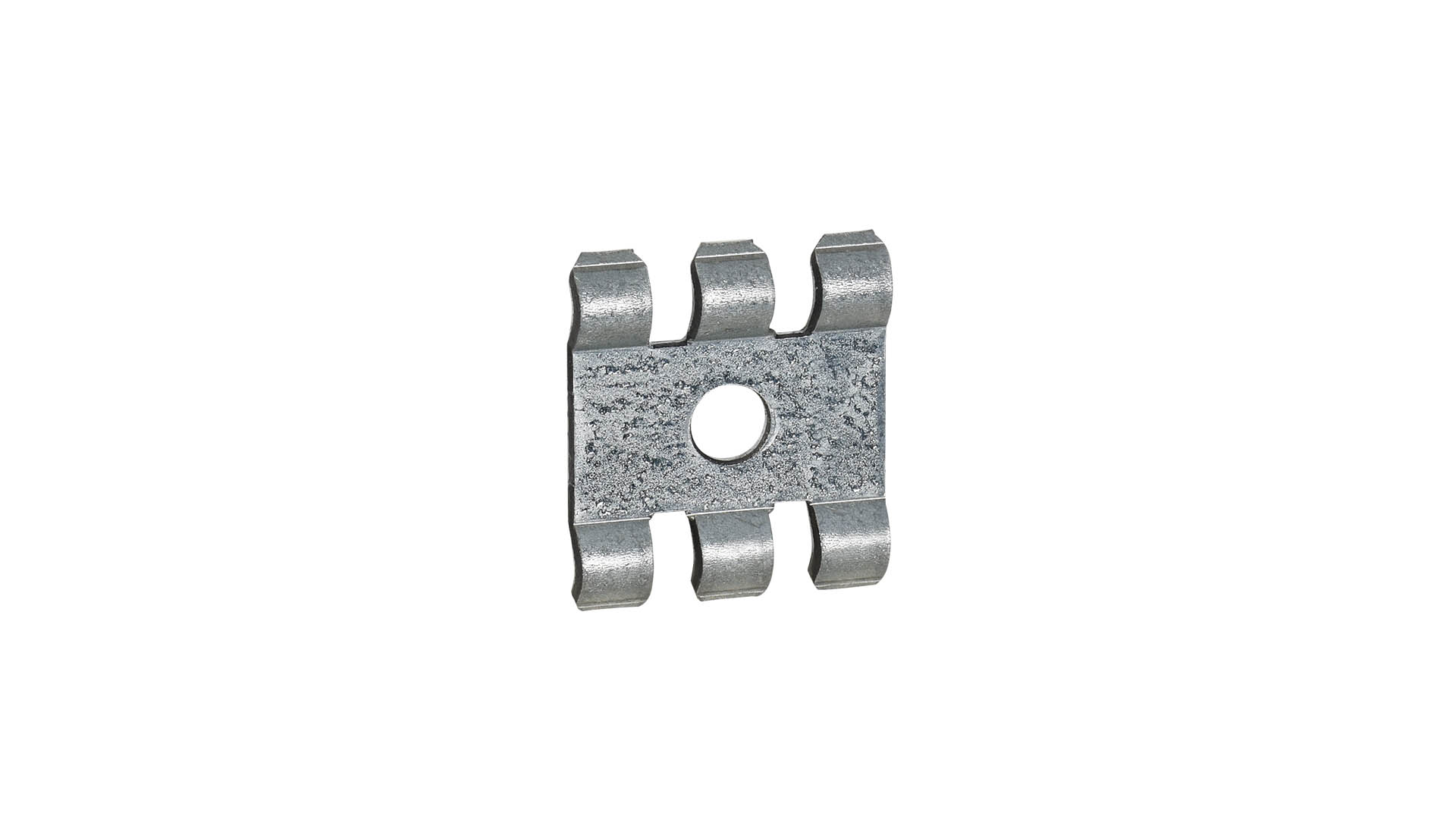
Universal washer
E No:
MP-number: 731Z4