

2026-09-08
7 million kWh from own solar power
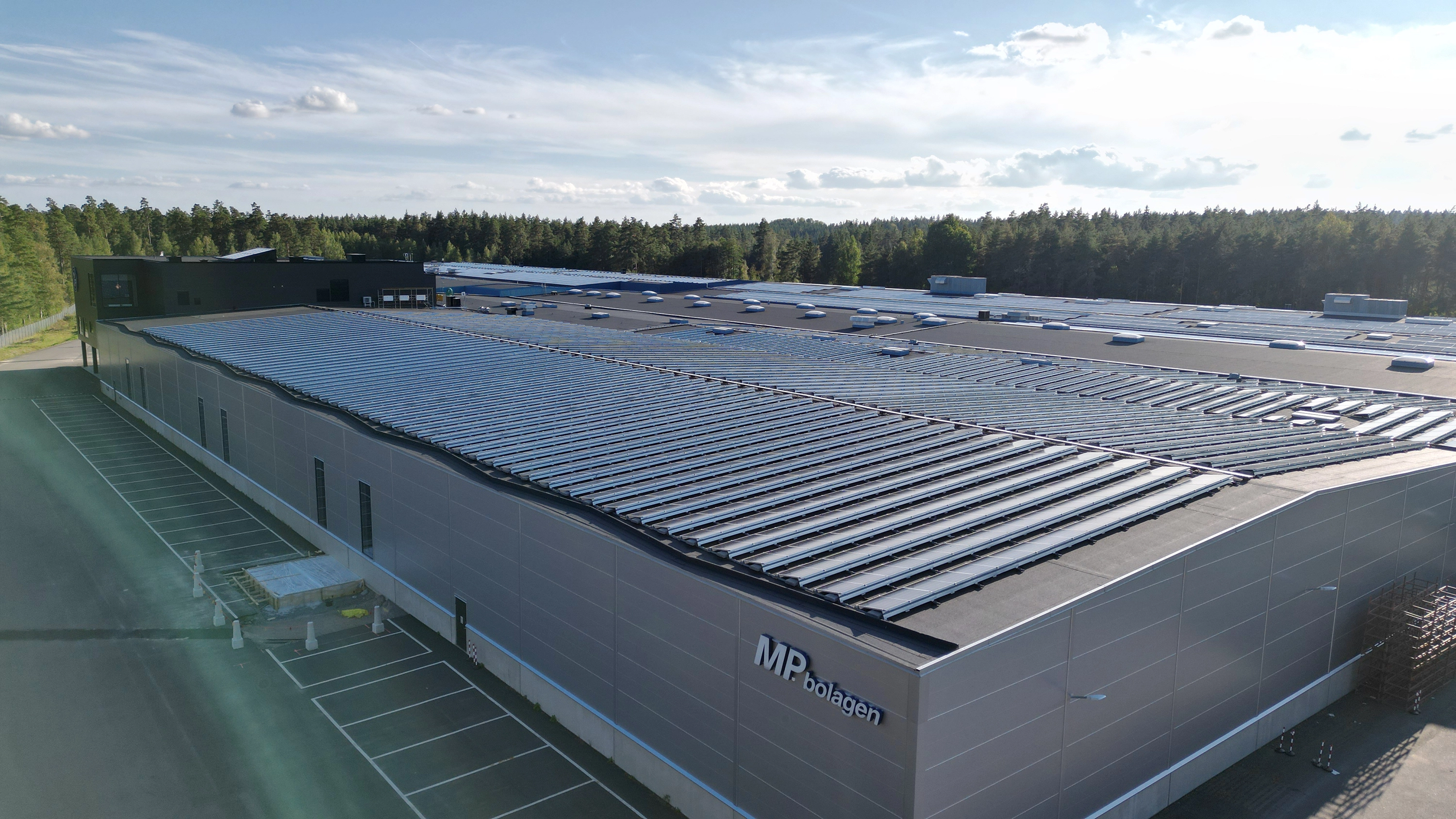
MP bolagen has now produced a total of 7 million kWh of solar power from the MP group's solar systems at the headquarters in Vetlanda, the cable-laying factory in Ekenässjön, and Farstorps gård. At the same time, a pilot project on battery storage is underway at Farstorps gård, which will provide a basis for future investments in energy storage.
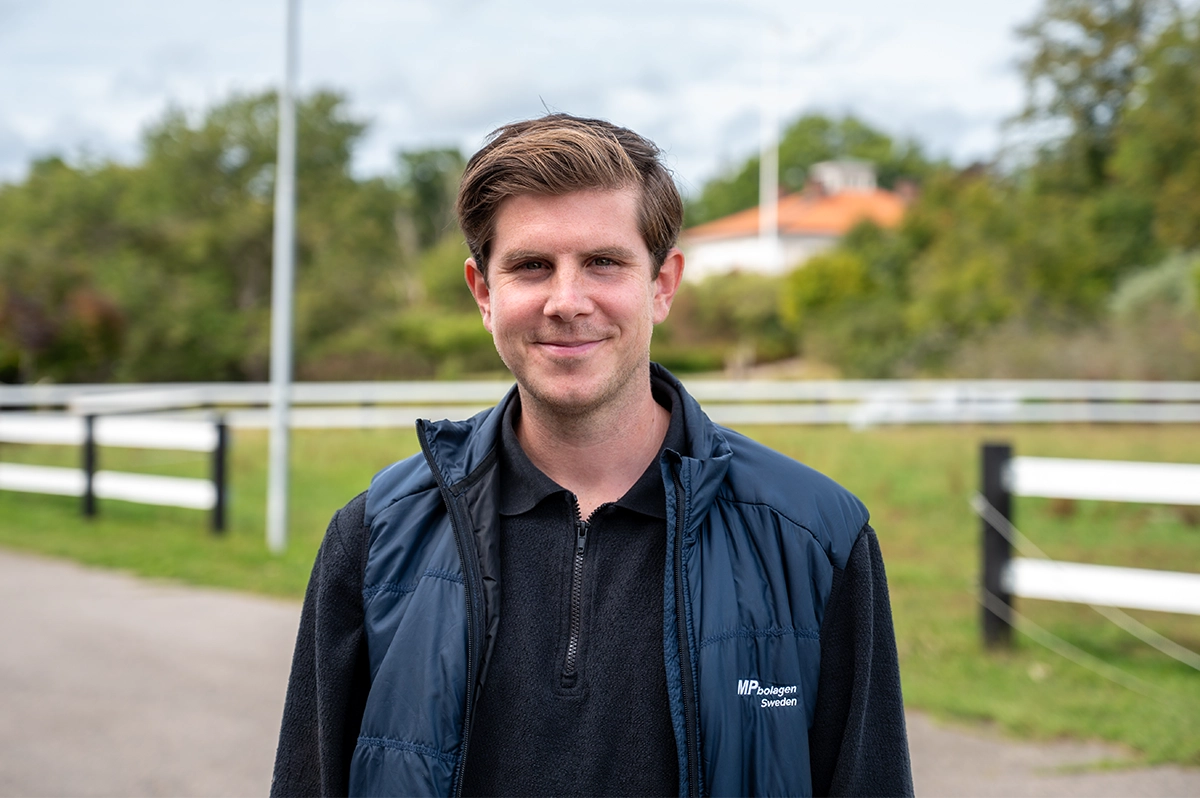
It is a lot of electricity, and it feels fantastic to be able to utilise our roofs to produce sustainable electricity that is used directly in our various operations.
Erik Karlsson, property manager
The thoughts on solar energy were already there in 2014 when the factory in Ekenässjön was expanded and the roof structure was dimensioned for future solar panel installations. The first systems were procured in 2019 and came into operation in early 2020. Since then, five additional systems or expansion phases have been installed within the MP group.
Today, our solar panel systems comprise a total of 5,620 panels covering approximately 20,000 square metres of roof area.
A long-term investment
The goal has from the beginning been to produce our own electricity for our operations while also contributing sustainable electricity to the power grid. According to Erik, the calculations and expectations that formed the basis for the investments have matched the outcomes well.
The first installation also became an important foundation for the ongoing work. Through it, we were able to practically evaluate technology, functionality, and economics, which created knowledge for future investments and expansions.
Since 2020, total electricity production has increased by around 25 percent per year as new facilities have come online.
The majority of the installed capacity is currently at the industrial unit on Barkvägen in Ekenässjön. About 92 percent of the installed capacity is located there, which is also natural since the facility has the largest roof area and the highest electricity consumption.
Focus on self-consumption
During the years that the systems have been in operation, our work with energy has developed.
Initially, the focus was on maximising production from the solar panels. Today, it is more about understanding the interplay between production and consumption and increasing the share of self-produced electricity that is used within the operation.
We also continuously monitor our facilities to ensure that they continue to deliver as expected. One example is the facility at Farstorps gård, where production has decreased by about ten percent over six years. One possible explanation is that the panels are exposed to a dirtier environment than at our other facilities.
To investigate this, the panels have recently been cleaned.
– We saw an effect immediately and we will probably find a large part of the lost production there, says Erik.
Battery storage tested at Farstorps gård
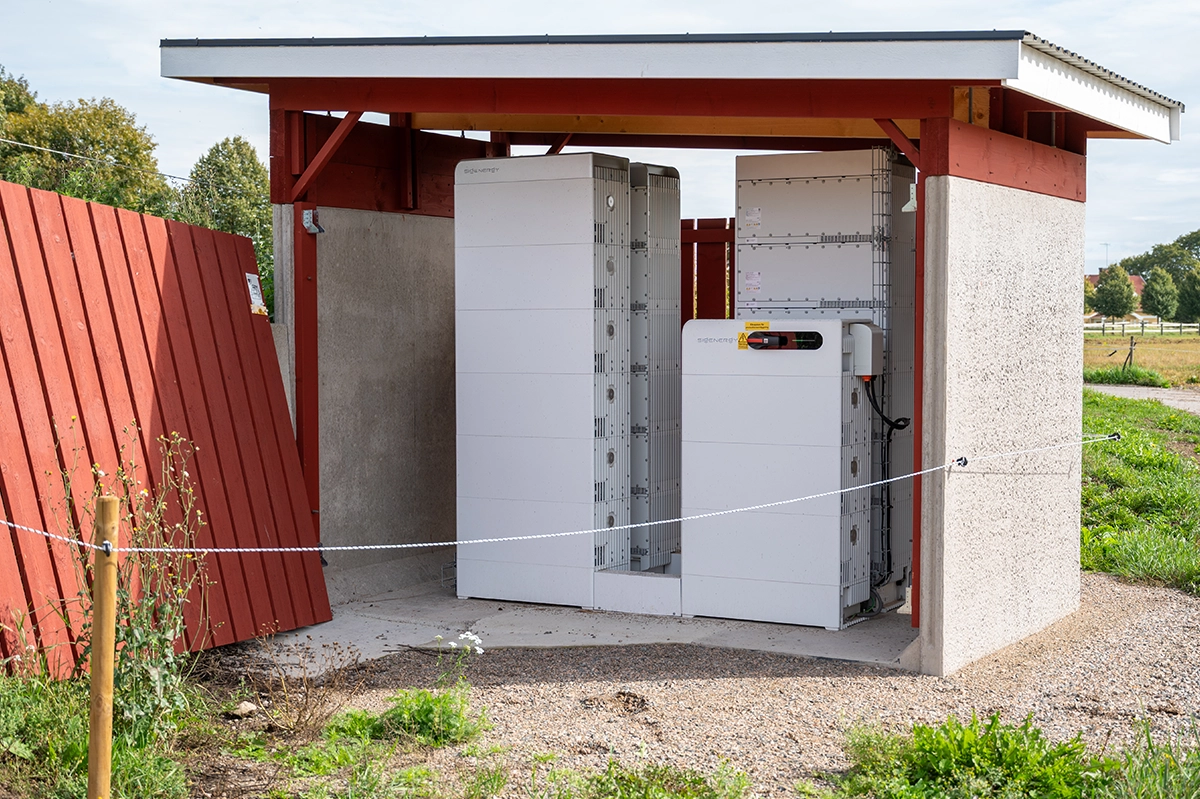
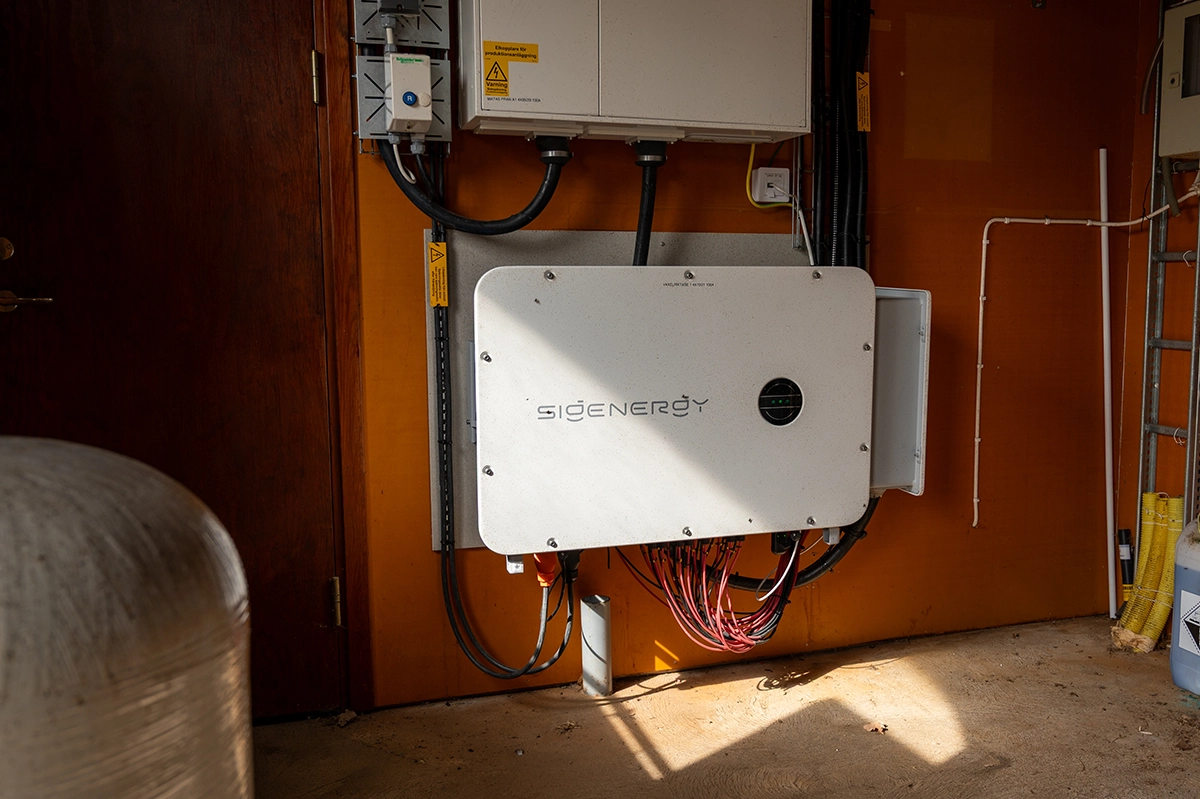
As the next step in our work with self-produced energy, we have installed battery storage at Farstorps gård.
The choice fell on Farstorp since the facility is located in Sweden's most expensive electricity area while also having a surplus of self-produced electricity that we would like to utilise better.
The purpose of the pilot project is to investigate the various functions of the battery, identify any obstacles, and evaluate how energy storage interacts with the solar panels in practice.
The results will be followed up by comparing the situation before and after installation. The focus is on self-consumed electricity, peak loads, and economic outcomes.
– We will simply see what benefits the battery provides technically and economically, says Erik.
Battery storage can contribute to increased flexibility by storing self-produced electricity, cutting peak loads, and creating more opportunities to optimise energy usage based on the needs of the operation.
Preparing for Future Investments
The pilot project will provide a basis for decisions on future investments in energy storage. An important part of the evaluation will be to ensure that the technology creates sufficient value and functions stably over time.
If the results are positive, there is potential to also introduce battery storage at the cable laying factory and other facilities. At the same time, work continues to reduce energy consumption through more efficient machines and processes as well as investments in technology that contributes to a more sustainable operation.
– We will continue to use our properties smartly and reduce costs where possible. I hope that we will be utilising significantly more electricity in five years than we do today and that we will be at the forefront in our industries, concludes Erik.
Facts about our solar panel systems
Total produced solar power: 7,000,000 kWh
Number of solar panels: 5,620 pcs
Total roof area: approximately 20,000 m²
Installed capacity: approximately 2,300 kWp
Barkvägen (Industrial unit): 2,133 kWp (approx. 92%)
Farstorps farm: 104 kWp (approx. 5%)
Main office in Vetlanda: 64 kWp (approx. 3%)
Battery storage is being tested at Farstorps farm as a pilot project for potential future investments.